
Animation of the changes seen in satellite imagery, 2003-2019
Left: 2003 Right: 2019 Center: overlay of the two
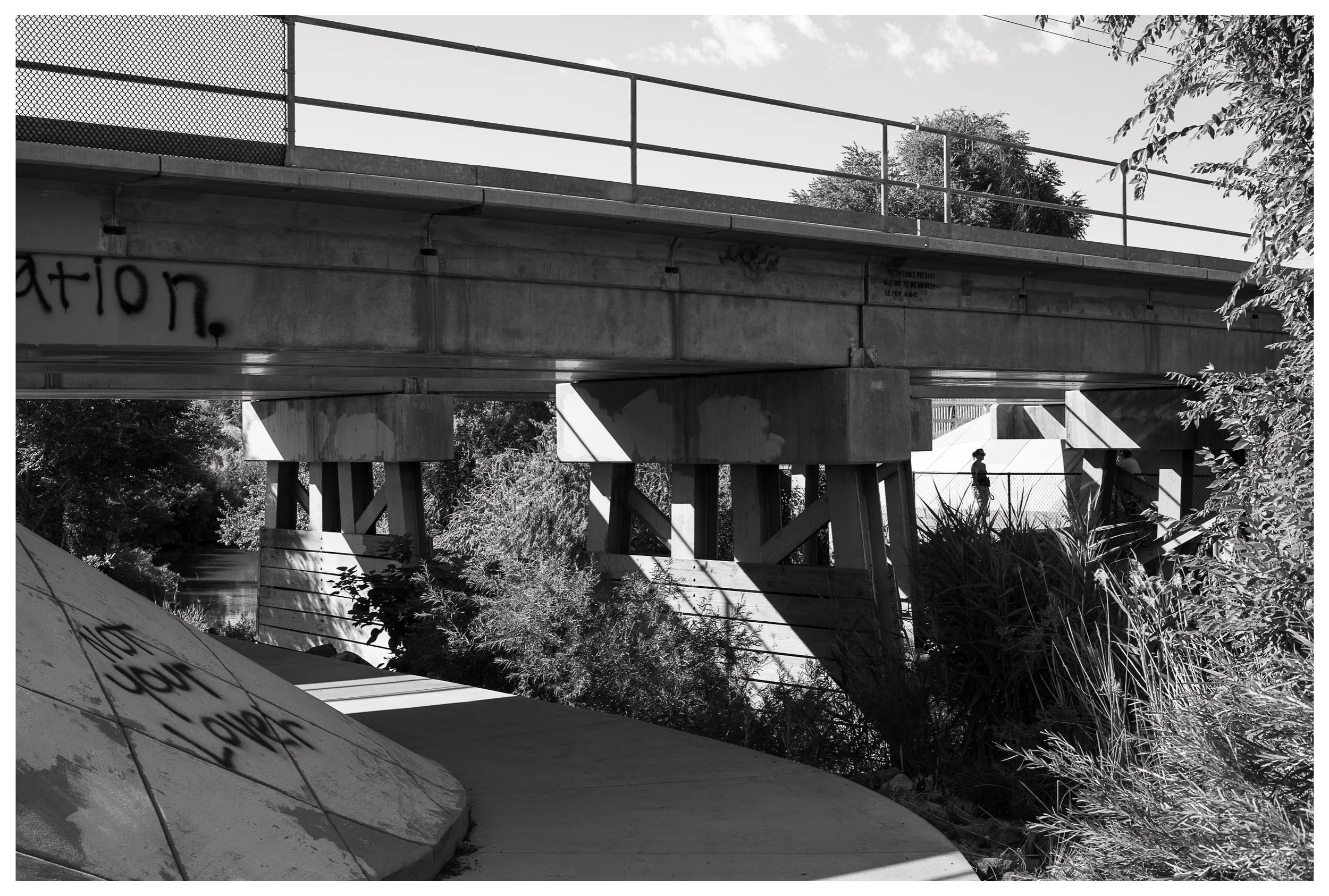
The approved remediation consisted of demolishing several buildings, grading the slag heaps flat, and then “capping” the site with at least 18 inches of new soil. Work was also done to stabilize the banks of the Jordan River in an effort to reduce runoff of toxic materials. Monitoring wells were installed throughout the site for required ongoing testing of contaminant levels in the aquifer below (well caps can be seen in at least six photos from this project).
Image Galleries:

Boundaries & Transitions

Places We Live

Places We Work

Along the Jordan River
Buried History
The successful redevelopment of this former wasteland is seen by the involved agencies as a great success; the EPA celebrates the “collaboration and dedication at the federal, state, and local level [required] to transform a once contaminated land into a thriving development.” The strategies used will be an example to guide future redevelopment plans at some of the over 1,300 Superfund sites nationwide. This project was a boon for the city of Midvale, adding hundreds of jobs and many millions of dollars to the tax base.

Aerial photos taken during the remediation process. Mountains of slag graded flat, then capped with new soil. Source: U.S. EPA
Active restoration of the aquifer below the site was considered, but eventually rejected as “impracticable”. The government investigation concluded that so much arsenic is present that “even under the most aggressive remedial scenarios … it would take from 90 to 300 years (or more) to achieve restoration” of the aquifer. Because active restoration is not being pursued, it is likely that the groundwater below the site will still be unsafe to drink 1,000 years from now. These contaminants will gradually seep into the Jordan River; one of the remediation goals is to ensure that this happens slowly.
According to EPA documents about the history of the Midvale smelters, “during World War II substantial tonnages of arsenic trioxide were produced for the U.S. government” to be used in liquid herbicides. During a 1997 EPA investigation, “significant arsenic was found in ground water and in soils under the old smelter works... The area around the former arsenic plant and baghouse exhibited the highest levels of arsenic contamination in ground water... at an extremely elevated concentration of 1,300,000 parts per billion (ppb). The maximum contaminant level for arsenic [allowed in drinking water is] 10 ppb.”

Midvale Slag, circa 1940
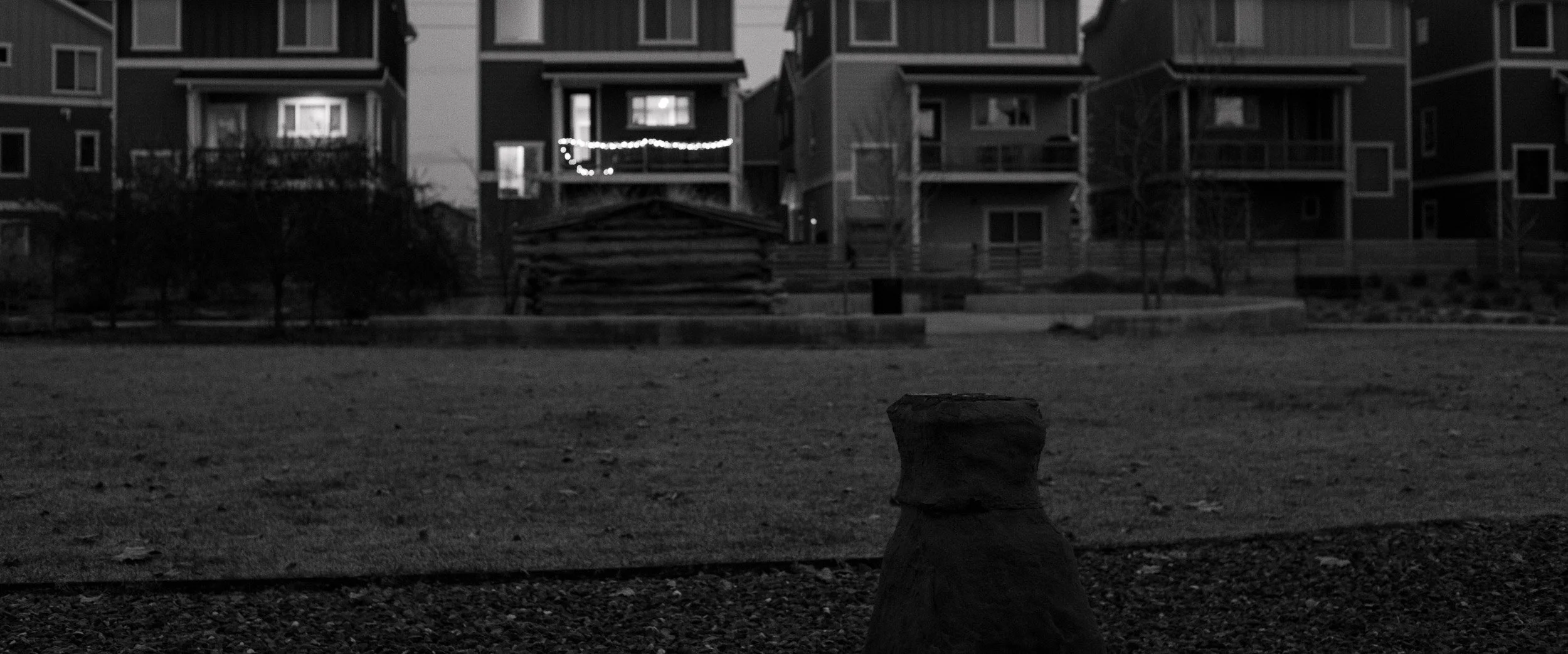
When I first learned about this site, I was alarmed that people were living and working here, with only a veneer of new soil to separate them from the toxins below. With further research, I have come to believe that the short-term danger to people here is likely low. The real danger, in my opinion, will unfold in a different way. The real danger will come from being able to forget what we have done.
- - - - -
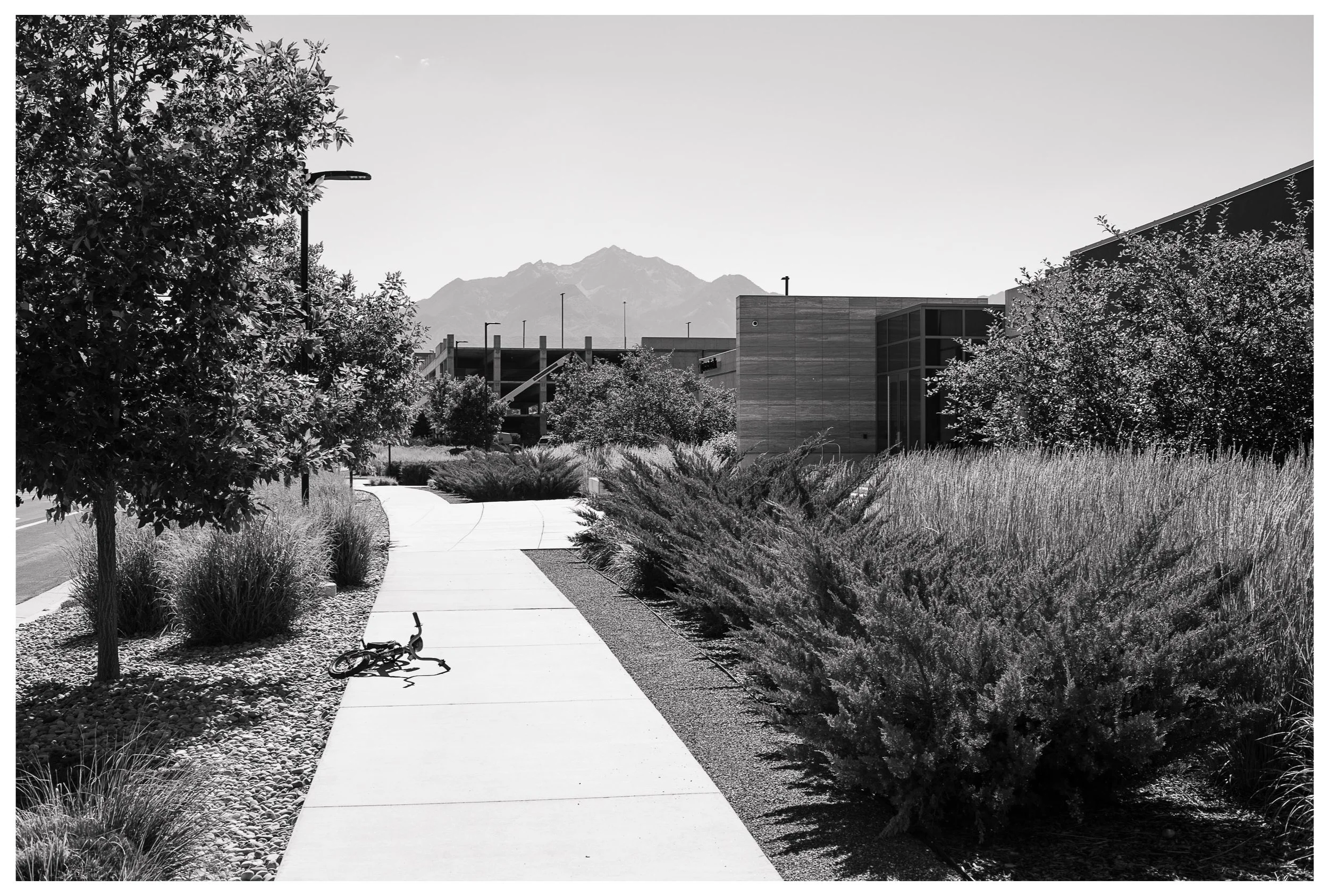
On many high desert summer mornings, the sun climbs above the towering Wasatch range to the east, and the valley sits in long shadows under a cloudless sky. Before long the shadows shorten, and the heat begins to sink back in to the arid soil and the sun-bleached stretches of asphalt. By half-past-nine, the sky is often still pure blue, and the light becomes unsparing. At this altitude and with so little moisture in the air, the light falls with a character that is altogether different from other places.
This searing light falls equally on places of hope and places of despair. The light and the heat are pitiless.